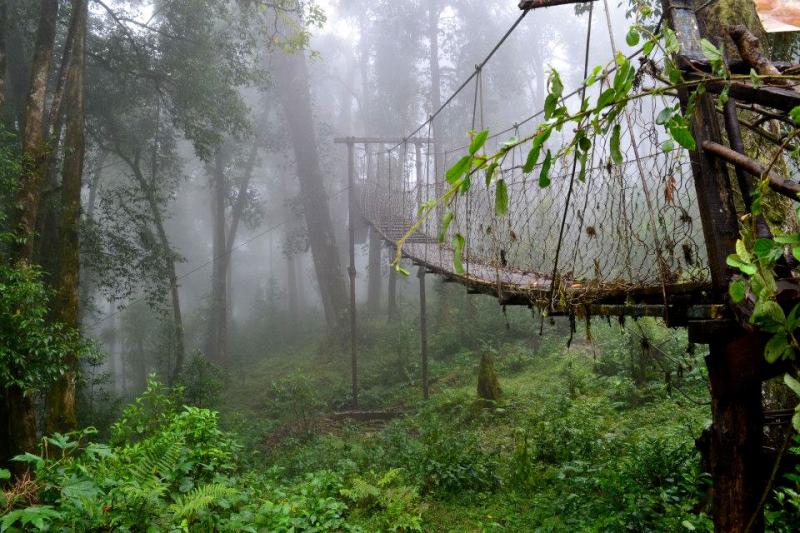
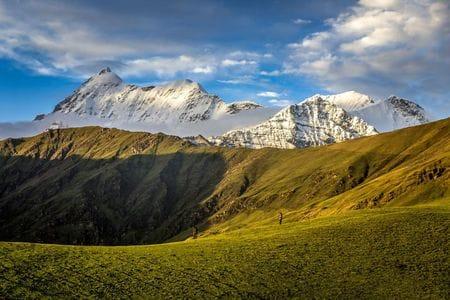
If you’re looking for a surreal, lesser-known trekking destination in India, the Dzukou Valley trek in Nagaland is a dream come true. Nestled on the border of Nagaland and Manipur, this untouched valley is known for its rolling green meadows, mystical fog, and the rare Dzukou Lily that blooms only during monsoon.
Whether you’re planning your first visit or looking to escape tourist-heavy routes, this blog answers all your frequently asked questions about Dzukou Valley and helps you plan the perfect offbeat monsoon adventure.
Where exactly is Dzukou Valley?

Dzukou Valley is located near Kohima, the capital of Nagaland, and lies on the border between Nagaland and Manipur. The valley sits at an altitude of around 2,450 meters and is considered one of the most scenic trekking destinations in Northeast India. Its untouched landscapes, mystical caves, and peaceful trails make it a favorite for backpackers and nature lovers.
What’s the best time to visit Dzukou Valley?

The valley is especially breathtaking during the monsoon months from June to September, when the entire region turns into a lush green paradise. This is also when the famous Dzukou Lily—a flower found only here—blooms in full glory. If you prefer clear skies and crisp mountain air, October to early December is also a great time to trek.
How difficult is the Dzukou Valley trek?

The Dzukou Valley trek is considered moderate in difficulty. The initial stretch, especially via the Zakhama route, involves a steep uphill climb through dense forest and rocky steps. But once you reach the ridge, the trail evens out and offers panoramic views of the valley. With basic fitness and the right pace, most trekkers can complete it comfortably.
What are the trekking routes to Dzukou Valley?

There are two main trekking routes that lead to Dzukou Valley:
- Viswema Route: This is the more scenic and gradual trail. You can opt for a shared Sumo from Kohima to Viswema and then start the trek from the designated point. The first few kilometers can be covered by vehicle (if available) to save time and energy.
- Zakhama Route: This trail is shorter but steeper. It’s a bit more challenging and suited for those who prefer quicker ascents and don’t mind a tough initial climb. Both trails eventually meet at the valley’s entry point near the rest house.
Do you need a permit to visit Dzukou Valley?
Yes. Indian citizens need an Inner Line Permit (ILP) to enter Nagaland. You can apply online through the official Nagaland Tourism portal or get one at Dimapur, Kohima, or other entry points. Foreign tourists must register with the local authorities upon arrival. Always carry a printed or digital copy of your ILP while trekking in Nagaland.
Where can you stay during the Dzukou Valley trek?

Once you reach the valley, there’s a basic rest house and dormitory accommodation available for trekkers. Facilities are minimal, so it’s advisable to bring your own sleeping bag or blanket. Alternatively, you can carry your own tent and camp in the valley itself—a magical experience
under a blanket of stars. Food options are limited, so carry your own packed meals, dry snacks, and water.
Is Dzukou Valley safe for solo and women travelers?

Yes, Dzukou Valley is considered safe for solo travelers, including women. The local communities are warm and respectful. However, due to the remoteness of the trail and lack of network connectivity, it’s recommended to start early in the day, inform someone about your route, and ideally trek with at least one companion if it’s your first time.
Should you hire a guide for the Dzukou Valley trek?
A guide is not mandatory, but it is highly recommended for first-time visitors—especially during the monsoon when the trails can become slippery and foggy. Hiring a local guide can also help you discover lesser-known caves, streams, and safe viewpoints inside the valley.
Guides can be arranged at Viswema or Zakhama village, or you can join a small group trek through platforms like Banzaras.
What should you carry for the trek?
Here’s a basic list of what to pack for a successful and comfortable Dzukou Valley trek:
- Waterproof backpack with rain cover
- Poncho or raincoat (monsoon must)
- Good trekking shoes with grip
- Warm clothes and extra socks
- Water bottle and reusable utensils
- Headlamp or torch
- Basic first-aid kit
- Energy bars, dry snacks
- Leech repellent (especially during July–August)
The weather in Dzukou Valley can shift quickly—sunny mornings can turn into foggy, drizzly evenings, so pack accordingly.
Why is Dzukou Valley so famous?
Dzukou Valley is famous for its unspoiled beauty, rare biodiversity, and peaceful atmosphere. During monsoon, the entire landscape is covered in vibrant green grass, blooming wildflowers, and the iconic Dzukou Lily, found only in this valley.

What makes it even more special is the complete disconnection from mobile networks and crowds—a true digital detox in nature’s lap. It’s one of the few Himalayan treks in India where you get raw nature, solitude, and magic all at once.
Combine Dzukou Trek with the Hornbill Festival

If you’re planning a trip around early December, make sure to combine your Dzukou trek with the Hornbill Festival, one of India’s most vibrant and unique cultural celebrations. Held annually from December 1–10 in Kisama Heritage Village near Kohima, this festival showcases the rich tribal traditions of Nagaland through dance, music, food, crafts, and indigenous games.
It’s the perfect time to explore the valley and experience the soul of Northeast India in one unforgettable journey.
About the Author
Ritika Jana is a digital marketing manager at BeBanzaras, an educator, and a content creator. She is passionate about storytelling and adventure.
Note: We always say everyone to travel responsibly and safely along with respect Nature and local cultures. Don’t leave your plastic wastage in the hills, leave only your footprints there. Save Nature, save animals, save our planet. So get out of your comfort zone, start to explore the new and be #banzaras.
Home is Where Heart Belongs