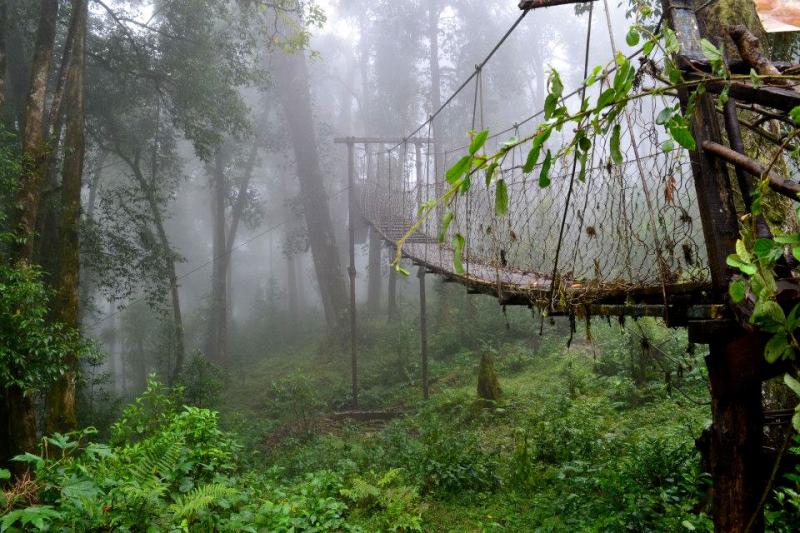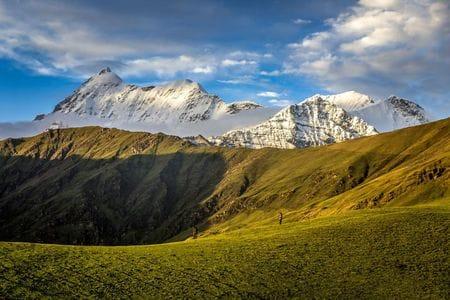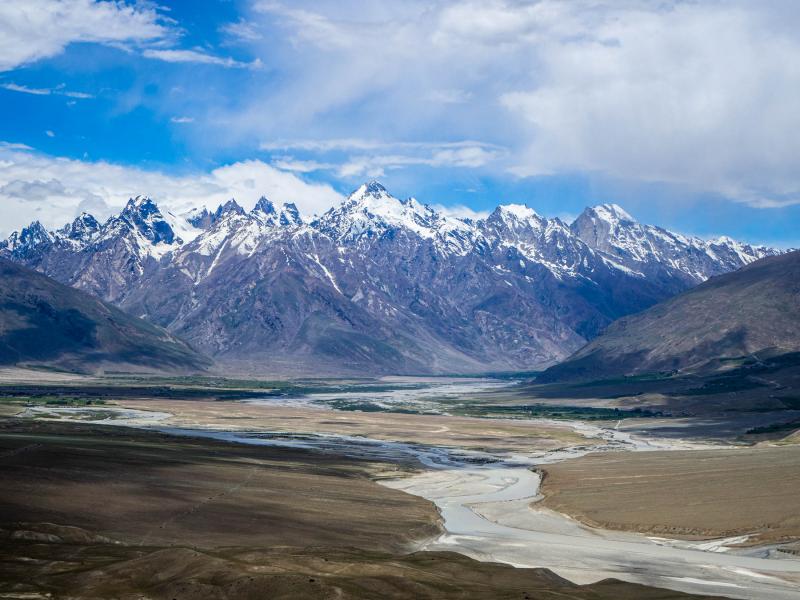

Why is Ladakh So Special?
Tucked away in the lap of the mighty Himalayas, Ladakh is a high-altitude desert known for its dramatic landscapes, Buddhist monasteries, vibrant culture, and winding mountain roads. Also called the Land of High Passes, this region is a paradise for adventurers, bikers, photographers,
and soul seekers alike.

With rising global searches for terms like “Leh Ladakh road trip itinerary”, “Ladakh bike trip 2025”, and “Best places to visit in Ladakh”, it’s clear that this mystical destination remains one of India’s most sought-after travel spots.
What is the Best Time to Visit?
Best time to visit Leh Ladakh: June to September is perfect for road trips, trekking, and sightseeing. The Leh-Manali Highway and Srinagar-Leh route are open, and tourist infrastructure is fully functional.

Shoulder months like May and October offer fewer crowds and magical snowscapes, ideal for peace-seekers.
How to Reach Ladakh?
By Air: Fly into Kushok Bakula Rimpochee Airport in Leh, which connects to major cities like Delhi and Srinagar.
By Road:
- Leh to Manali route: Scenic but rugged, open from May to October
- Leh to Srinagar highway: Operational from May to November
Do You Need Permits to Visit Ladakh?
Yes. Indian citizens need Inner Line Permits (ILPs) for restricted areas like Nubra Valley, Pangong Lake, Hanle, and Tso Moriri. Foreign nationals need a Protected Area Permit (PAP).
Top Places to Visit
Don’t miss these must-visit destinations in Ladakh:

- Pangong Lake: Instagram-famous for its color-changing water

- Nubra Valley: Home to sand dunes and double-humped camels

- Tso Moriri Lake: Remote, untouched beauty

- Hemis Monastery: Ladakh’s spiritual epicenter

- Magnetic Hill: Where gravity defies logic
- Zanskar Valley: The ultimate offbeat trail

- Khardung La: The Gateway to the High Himalayas.

- Umling La: “World’s Highest Motorable Road” with elevation of 5,798 meters(19,024 feet) above sea level.
Is Altitude Sickness Real in Ladakh?
Absolutely. Altitude sickness in Leh Ladakh is common due to elevations above 10,000 feet.
Preventive Tips:
- Carry portable oxygen – It can be a lifesaver in emergencies.
- If possible, gain altitude slowly to let your body adapt.
- Eat light, high-carbohydrate meals – This helps your body use oxygen more efficiently.
- Rest for 1-2 days in Leh for acclimatization
- Avoid alcohol
- Stay hydrated
- Take Diamox (consult a doctor first)
- Recognize early signs of AMS and descend if symptoms worsen.
What to Pack for Ladakh?

Essential Ladakh packing list:
- Layered clothing, thermals, windcheaters
- Sunglasses, sunscreen (SPF 50+), lip balm
- ID proof, photocopies, passport-size photos
- Medicines and first-aid
- Portable chargers and offline maps
Mobile Network and ATM Availability

- Best mobile network in Ladakh: BSNL and Airtel postpaid
- ATMs: Available in Leh only; carry cash to remote regions
Where to Stay in Ladakh?
Stay options range from luxury hotels in Leh to eco homestays in Nubra and Pangong.
- Leh: Hotels, hostels, and boutique stays
- Nubra & Pangong: Camps and family-run guesthouses

Is Solo Travel Safe?

Yes! Solo travel in Ladakh is safe and empowering. Locals are helpful, and the community vibe is strong. Still, it’s smart to:
- Inform someone about your plans
- Travel during daylight
- Keep emergency contacts ready
Can You Rent Bikes or Cars in Leh?

Yes. Bike rentals in Leh are popular among adventure seekers.
- Top picks: Royal Enfield Himalayan, Classic 350, Interceptor
- Important: Use local rental bikes only. Outsiders are not allowed in protected areas.
Plan Your Ladakh Adventure

Want to experience offbeat Ladakh—beyond the postcards and mainstream spots? Join the BeBanzaras community on a curated journey through remote monasteries, high altitude lakes, moon-like valleys, and cultural secrets only locals know.
We don’t just travel—we explore with intention, respect the mountains, and share unforgettable stories under starlit skies. Join our upcoming Ladakh 2025 expeditions.
About the Author
Ritika Jana is a digital marketing manager at BeBanzaras, an educator, and a content creator. She is passionate about storytelling and adventure.
Note: We always say everyone to travel responsibly and safely along with respect Nature and local cultures. Don’t leave your plastic wastage in the hills, leave only your footprints there. Save Nature, save animals, save our planet. So get out of your comfort zone, start to explore the new and be #banzaras.
Home is Where Heart Belongs